Why RV Tires Blow Out: Root Causes, Warning Signs, and Prevention Steps

Salem Hassan founded Travelcamp RV and brings 30+ years of hands-on RV, marine, and powersports experience to every review.
✎ Reviewed by Salem Hassan — Founder, Travelcamp · 30+ years in RV, marine, and powersports
Why trust us
RVGearInsider articles are researched by the Searchshop Editorial team with a full-timer's lens — evaluating gear for year-round use, not weekend trips. We assess every recommendation against the demands of full-time living: sustained power draw, weight budget, water system integration, and long-term durability. We may earn a commission on qualifying purchases; it does not change what we recommend.


RV tire failures rarely happen without a reason. In most cases, a blowout is the end result of heat, overload, impact damage, aging rubber, or neglected maintenance. For RV owners, understanding rv tire blowout causes prevention is not just about protecting tires. It is about protecting the trailer, tow vehicle, passengers, and trip itself.
We researched the most common reasons RV tires fail, the early signs that often show up first, and the practical steps that help reduce the odds of a dangerous roadside event. Whether you tow a travel trailer, fifth wheel, or drive a motorhome, the same principle applies: tires fail when stress builds faster than the tire can handle.
What's Going Wrong

An RV tire blowout is a sudden loss of air pressure caused by structural tire failure. Sometimes it sounds like a gunshot and happens instantly at highway speed. Other times, the tire starts separating internally, runs hot, and then fails a few miles later.
Typical symptoms before a blowout include:
- Repeated low-pressure readings
- Uneven tread wear on one edge or in the center
- Bulges, bubbles, or sidewall cracking
- Vibration that gets worse as speed increases
- A hot rubber smell after driving
- One tire running noticeably hotter than the others
- Trailer sway or a pulling sensation
It typically occurs during:
- Long highway runs in hot weather
- Travel with underinflated tires
- Heavy loading near or above axle limits
- High-speed driving above the tire's rating
- Trips on older tires that look fine but have weakened internally
- Driving after striking potholes, curbs, or road debris
The key issue is heat. When a tire is overloaded, underinflated, damaged, or simply too old, internal heat builds up. Once that heat exceeds what the tire structure can tolerate, the belts, sidewall, or tread can fail.
Root Causes
Underinflation and Heat Buildup
Underinflation is one of the most common blowout triggers on RVs. A tire with too little air flexes more as it rolls. That extra flex creates heat, and heat destroys tire structure from the inside out.
Even a small pressure loss matters on RV tires because many operate close to their rated load limits. A tire may look only slightly low but still be carrying dangerous stress.
Overloading the RV or Axle
Many RV owners focus on total trailer weight, but tire failure often starts with axle or side-to-side imbalance. If one side carries more weight than the other, one or two tires may be overloaded even when the gross vehicle weight appears acceptable.
Overloaded tires run hotter, wear faster, and become more vulnerable to impact damage and sudden failure.
Aging Tires and Dry Rot
RV tires often age out before they wear out. Long periods of parking, UV exposure, ozone, and temperature swings harden the rubber and weaken internal materials.
A tire can still have good tread depth and still be unsafe. Sidewall cracking, weather checking, and internal belt degradation are common on older RV tires.
Impact Damage and Road Hazards
Potholes, curbs, broken pavement, and debris can damage a tire even if it does not fail immediately. A hard impact may bruise the casing, break internal cords, or deform the belt package.
The danger is that the damage may not be obvious right away. The tire may hold air for days or weeks before heat and load turn that hidden injury into a blowout.
Excess Speed for Tire Rating
Many RV and trailer tires have speed limits that are lower than passenger vehicle drivers expect. Driving faster than the tire's rated speed increases heat rapidly, especially in summer conditions or on heavily loaded rigs.
At higher speeds, even a properly inflated tire has less margin for error. Combine speed with heat, age, or heavy load, and failure risk rises sharply.
Poor Alignment, Suspension, or Bearing Issues
Not every blowout begins with the tire itself. Misalignment, worn suspension parts, dragging brakes, or failing wheel bearings can overload one tire and create abnormal heat.
If one tire keeps wearing oddly or running hotter than the others, the real problem may be elsewhere in the running gear.
Step-by-Step Fix

Underinflation and Heat Buildup
Tools/parts needed: quality tire pressure gauge, portable air compressor, valve stem caps, spray bottle with soapy water, tire pressure monitoring system (TPMS)
- Check cold tire pressure before every travel day, not after driving.
- Inflate each tire to the pressure appropriate for the actual load and the tire manufacturer's load chart. If you do not have corner weights, follow the RV or tire placard guidance conservatively.
- Inspect valve stems for cracks, looseness, or leaks.
- Spray soapy water around the valve and bead area to check for slow leaks.
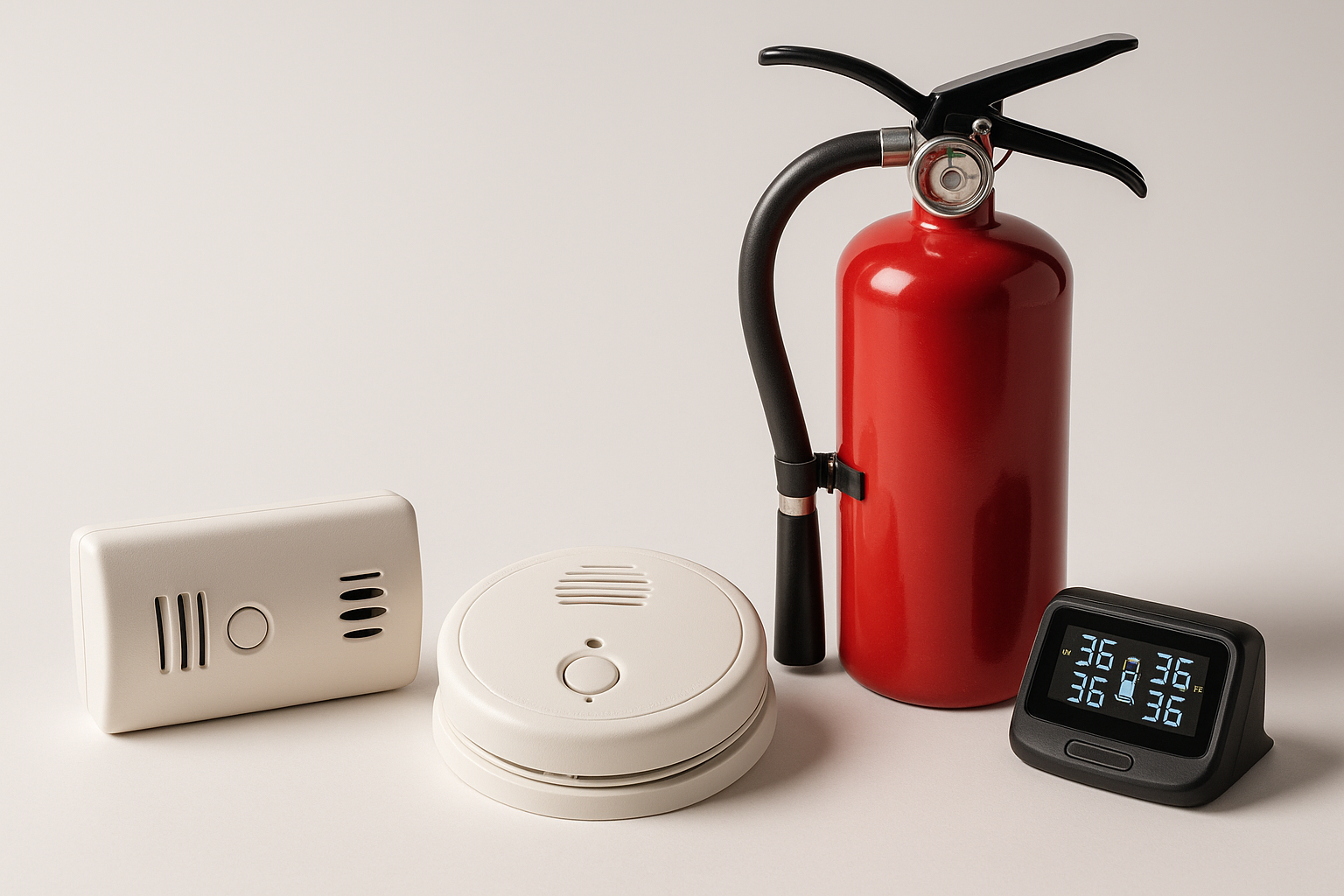
- Install or verify a TPMS so you can catch pressure loss and rising temperature while driving.
- Recheck pressure every morning during multi-day trips.
Overloading the RV or Axle
Tools/parts needed: CAT scale or RV wheel-position weighing service, notepad or weight app, cargo bins, replacement tires only if load rating upgrade is approved for the wheel and RV
- Weigh the fully loaded RV, including water, propane, gear, and typical passengers.
- Compare total weight, axle weight, and if possible individual wheel position weight to the RV's ratings.
- Redistribute cargo so heavy items sit low and near the axle area when practical.
- Remove unnecessary gear that pushes the RV close to its limits.
- Confirm the tire load rating matches the real-world load being carried.
- If an upgrade is needed, verify wheel rating, axle rating, and manufacturer limits before changing tire capacity.
Aging Tires and Dry Rot
Tools/parts needed: flashlight, tire date code reference, tread depth gauge, tire covers, replacement tires if age or cracking warrants it
- Find the DOT date code on each tire and note the week and year of manufacture.
- Inspect sidewalls and tread grooves for cracking, checking, bulges, or separation signs.
- Replace tires that show structural aging, even if tread depth still looks usable.
- Use tire covers during storage to reduce UV exposure.
- Move the RV periodically or use proper storage practices to reduce long-term flat spotting and stress.
- Follow the tire maker and RV maker guidance for age-based replacement intervals.
Impact Damage and Road Hazards
Tools/parts needed: flashlight, creeper or kneeling pad, tread inspection tool, spare tire in serviceable condition
- After hitting a pothole, curb, or debris, stop when safe and inspect the affected tire.
- Look for cuts, bulges, exposed cords, sidewall scrapes, or tread distortion.
- Check pressure immediately and again after a short distance if the tire appears intact.
- If you see a bulge, cord exposure, or deep sidewall damage, replace the tire instead of continuing the trip.
- Inspect the wheel for bends or cracks that could cause air loss.
- Verify the spare tire is properly inflated and not aged out.
Excess Speed for Tire Rating
Tools/parts needed: tire manufacturer specifications, TPMS, vehicle speed awareness tool or GPS display
- Confirm the speed rating for your exact RV tires.
- Set a personal cruising speed that stays within the tire rating and leaves a safety margin in hot weather.
- Slow down further when the RV is heavily loaded, road temperatures are high, or crosswinds are strong.
- Use a TPMS to watch for temperature increases that may signal stress.
- Build more time into travel days so there is less pressure to run fast.
Poor Alignment, Suspension, or Bearing Issues
Tools/parts needed: infrared thermometer, tread depth gauge, jack and stands if approved for inspection, service records
- Compare tread wear across all tires and note any one-sided wear, cupping, or feathering.
- After driving, use an infrared thermometer to compare tire and hub temperatures side to side.
- If one hub runs unusually hot, stop using the RV until bearings or brakes are inspected.
- Check for visible suspension wear such as broken shackles, worn bushings, or sagging components.
- Schedule a professional alignment or running gear inspection if wear patterns repeat.
- Replace damaged suspension or bearing components before installing new tires, or the new tires may fail early too.
When to Call a Pro
Some tire issues are appropriate for owner inspection, but certain thresholds should trigger professional help right away.
Call a pro when:
- You see a sidewall bulge, exposed cords, or tread separation
- A tire lost pressure rapidly and you do not know why
- One wheel or hub is much hotter than the others
- The RV pulls hard, sways unexpectedly, or vibrates after a tire impact
- You suspect bent wheels, axle misalignment, brake drag, or bearing trouble
- You need specialty tools such as commercial balancing equipment, alignment systems, or bearing service tools
- The RV or tire is under warranty and self-repair could affect coverage
- You are unsure whether a tire can be repaired or must be replaced
As a safety rule, we recommend not driving on any RV tire that shows sidewall damage, structural deformation, or signs of separation. A tow bill is cheaper than body damage, plumbing damage, wiring damage, or a roadside accident.
Frequently Asked Questions
Can an RV tire blow out even if the tread looks good?
Yes. RV tires often fail from age, internal heat damage, or sidewall deterioration long before tread wears out. Tread depth alone is not enough to judge safety.
How do we know if underinflation caused the failure?
Common clues include shoulder wear, heat damage, shredded sidewalls, and TPMS history showing pressure loss before the event. A tire professional may also identify internal signs of low-pressure operation.
Should we replace all RV tires after one blowout?
Not always, but we recommend inspecting all remaining tires closely for age, overload stress, and matching condition. If the set is old or the failed tire suggests a broader maintenance issue, replacing multiple tires may be the safer move.
Is it safe to use passenger vehicle tire pressures on an RV trailer?
No. RV and trailer tires should be inflated according to the tire manufacturer's load guidance and the RV's specifications. Using passenger-car habits can leave trailer tires dangerously underinflated.
What is the best prevention step for RV tire blowouts?
If we had to choose one, it would be consistent pressure management backed by actual weight verification. Proper inflation, correct loading, and age-based replacement work together and provide the strongest defense.
Understanding rv tire blowout causes prevention comes down to one practical mindset: reduce heat, reduce overload, and catch damage early. We recommend building a simple tire routine before every trip and during every travel day. A few minutes with a gauge, a visual inspection, and a TPMS check can prevent a costly and dangerous failure later on.
Get your free Get Our Free Full-Timer's Gear Guide
The no-fluff gear list trusted by full-time RVers — tested in real conditions across North America.
Recommended Tools & Parts