How to Clean and Care for Your RV Awning to Extend Its Life

Salem Hassan founded Travelcamp RV and brings 30+ years of hands-on RV, marine, and powersports retail experience to every review.
✎ Reviewed by Salem Hassan — Founder, Travelcamp RV · 30+ years in RV, marine, and powersports retail
Why trust us
RVGearInsider articles are researched by the Searchshop Editorial team with a full-timer's lens — evaluating gear for year-round use, not weekend trips. We assess every recommendation against the demands of full-time living: sustained power draw, weight budget, water system integration, and long-term durability. We may earn a commission on qualifying purchases; it does not change what we recommend.
🛠 What you'll need
-
 Check Price on Amazon →Walex RV Awning Cleaner - Safe for Vinyl & Fabric, Dissolves Tough Stains, Mold, Mildew, Dirt, Bird Droppings & More; Extends Awning Lifespan for RVs, Campers, Trailers & Motorhomes, 64 oz$17.99★★★★☆ (33)
 -
 Check Price on Amazon →STAR BRITE Premium RV Awning Cleaner & Protectant Spray - Powerful Stain Remover for Fabric & Vinyl Awnings, Ideal for Outdoor Furniture & RV Fabrics$15.99★★★★☆ (409)
 -
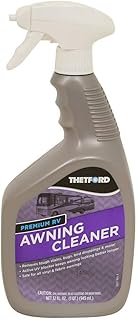 Check Price on Amazon →Thetford Premium RV Awning Cleaner for RV or Home Awnings 32 oz - Thetford 32518$7.18★★★★☆ (181)
 -
 Check Price on Amazon →Camco 41028 Pro-Strength Awning Cleaner - 1 Gallon$22.99★★★★☆ (2,091)
How to Clean and Care for Your RV Awning to Extend Its Life
If you have been searching for how to clean care rv awning fabric, the good news is that the process is simpler than many RV owners expect. With the right cleaner, a soft brush, and a few smart maintenance habits, we can remove dirt, prevent mildew, and help the fabric last for years longer. A clean awning not only looks better at the campsite, but it also rolls up more safely and resists staining, cracking, and odor.
RV awnings take a beating from sun, rain, tree sap, bird droppings, road grime, and moisture trapped during storage. Left alone, those contaminants can weaken the material, stain the underside, and even affect the awning hardware. Below, we break down exactly how to clean and maintain your awning fabric without causing damage.
Comparison Table

| Product | Best For | Fabric Compatibility | Key Benefits | Potential Drawbacks |
|---|---|---|---|---|
| Camco Awning Cleaner | Routine cleaning | Most vinyl and many synthetic awnings | Easy to use, RV-focused formula, good for seasonal washdowns | May need repeat applications on heavy mildew |
| 303 Multi-Surface Cleaner | General dirt and stains | Broad compatibility when label directions are followed | Versatile, widely available, effective on grime | Not a dedicated mildew remover |
| Star brite Mildew Stain Remover | Tough mildew stains | Best used only where label and awning maker allow | Strong stain-fighting ability | Can be too harsh for some fabrics or finishes |
| 303 Aerospace Protectant | UV protection after cleaning | Many vinyl, rubber, and plastic surfaces; check fabric guidance | Helps reduce UV damage and fading on suitable surfaces | Not a cleaner, and not ideal for every fabric type |
Why RV Awning Care Matters
Your awning fabric is exposed to UV rays, wind, moisture, and debris almost every time you camp. Over time, that exposure can lead to:
- Mold and mildew growth
- Fading and fabric breakdown from UV exposure
- Stubborn stains from sap, leaves, and bird droppings
- Water pooling due to debris buildup
- Musty odors when the awning is rolled up damp
- Premature seam wear and surface cracking
Regular care helps us catch problems early and avoid the cost of replacing an awning before its time.
Know Your RV Awning Fabric Before You Clean

Before using any cleaner, identify the awning material. Most RV awnings use one of these fabric types:
Vinyl Awning Fabric
Vinyl is common on many RV patio awnings. It is durable and water-resistant, but it can trap mildew on the surface and underside. Vinyl usually responds well to mild RV-safe cleaners.
Acrylic Awning Fabric
Acrylic fabrics are breathable and often resist mildew better than vinyl, but they can still collect dirt and stains. They may require gentler cleaners and should not be treated with harsh bleach solutions unless the manufacturer specifically allows it.
Important Label Check
We recommend checking your owner’s manual or awning manufacturer’s care instructions before cleaning. Some brands specify approved cleaners and may warn against bleach, petroleum-based products, or pressure washing.
What You Need to Clean an RV Awning
Gather everything before you begin:
- Hose with a gentle spray nozzle
- Bucket of clean water
- Mild soap or RV awning cleaner
- Soft-bristle brush or sponge
- Microfiber cloths
- Step ladder, if needed
- Protective gloves
- Optional mildew remover approved for your fabric type
Safety Notes Before You Start
- Never stand on the RV roof unless your RV is designed for roof access and you can do so safely.
- Use a stable ladder on level ground.
- Avoid pressure washers, which can damage seams and protective coatings.
- Do not mix chemical cleaners.
- Clean on a calm day to prevent the awning from moving unexpectedly.
How to Clean and Care for Your RV Awning Fabric
Follow these steps for routine cleaning.
1. Fully Extend the Awning
Open the awning all the way so you can inspect both the top and underside. Look for:
- Mildew spots
- Tree sap
- Bird droppings
- Tears or seam separation
- Bent hardware or loose mounting points
This inspection matters because cleaning is the perfect time to spot damage before it gets worse.
2. Dry Brush Off Loose Debris
Use a soft brush to remove leaves, twigs, dust, and grit. Start with the top side if you can safely reach it from a ladder or by carefully rolling the awning out and accessing sections gradually.
Removing loose debris first helps prevent grinding dirt into the fabric when water is added.
3. Rinse With Clean Water
Use a hose with light pressure to wet the awning. Rinse both sides. This loosens surface dirt and makes the cleaner work more evenly.
Avoid blasting the fabric at close range. Gentle water flow is enough.
4. Apply an RV-Safe Cleaner
Mix your cleaner according to the label. Apply it with a sponge or soft brush, working in small sections.
Focus on:
- Stained areas
- Edges where grime collects
- The underside, where mildew often appears first
Let the cleaner sit for the recommended dwell time, but do not let it dry completely on the fabric unless the product instructions say otherwise.
5. Gently Scrub the Fabric
Using light pressure, scrub in circular motions. We recommend patience here rather than aggressive brushing. Hard scrubbing can damage stitching, coatings, or the fabric weave.
For stubborn spots like sap or droppings, repeat the cleaner application instead of using harsh tools.
6. Rinse Thoroughly
Rinse until all soap residue is gone. Leftover cleaner can attract dirt, leave streaks, or interfere with fabric treatments.
Pay extra attention to seams and rolled edges where soap can linger.
7. Treat Mildew Carefully if Needed
If mildew remains, use a mildew treatment specifically approved for your awning material. Vinyl and acrylic do not always tolerate the same products.
Mildew Removal Tip
We recommend spot testing any stronger cleaner in a hidden area first. If the fabric discolors, stop and switch to a gentler product.
8. Let the Awning Dry Completely
This step is critical. Never roll up the awning while it is still damp unless you absolutely have to because of weather or travel timing.
If you must store it damp temporarily, reopen and dry it as soon as possible, ideally within 24 hours.
9. Inspect Hardware and Moving Parts
Cleaning time is also maintenance time. Check:
- Arms and joints
- Mounting brackets
- Roller tube
- Tension and alignment
Wipe away grime from metal parts and apply lubricant only where the awning manufacturer recommends. Keep lubricant off the fabric.
10. Add Fabric Protection if Appropriate
Some awning fabrics benefit from a UV- or water-repellent protectant. Use only products labeled safe for your awning type. Applying the wrong protectant can trap moisture or affect breathability.
Routine RV Awning Care Tips
Cleaning is only part of the equation. These habits can significantly extend awning life:
Roll It Up Dry Whenever Possible
Moisture is one of the biggest causes of mildew and odor. Dry storage is always best.
Remove Debris Promptly
Leaves, acorns, and branches can stain fabric and stress the awning if left in place.
Avoid High Winds
Even a clean awning can be damaged quickly in gusty weather. Retract it when winds pick up or when leaving camp.
Clean Spills and Droppings Quickly
Bird droppings, sap, and bug residue become harder to remove the longer they sit.
Inspect Seams and Edges Seasonally
Small tears and loose threads can become major failures if ignored.
Use an Awning Shade or Support Accessories Wisely
These can reduce sun exposure and improve comfort, but they should be installed correctly so they do not put extra strain on the awning arms.
Common Mistakes to Avoid
Many awnings are damaged by cleaning methods that seem helpful but are too aggressive. Avoid these mistakes:
- Using bleach without manufacturer approval
- Scrubbing with stiff brushes
- Pressure washing the fabric
- Rolling the awning up wet for long periods
- Ignoring the underside during cleaning
- Using household degreasers or solvents
- Climbing unsafely to reach the top side
Buyers Guide: Best Products for RV Awning Cleaning and Care
We researched popular options commonly used by RV owners for awning maintenance. The right choice depends on your fabric type, stain severity, and whether you need routine cleaning or mildew treatment.
Product Pros and Cons
Camco Awning Cleaner
Pros
- Designed with RV use in mind
- Good for regular maintenance
- Simple application process
Cons
- May not fully remove old mildew stains
- Performance depends on dwell time and repeat cleaning
303 Multi-Surface Cleaner
Pros
- Useful for more than just the awning
- Effective on everyday dirt and residue
- Easy to find online and in RV supply stores
Cons
- Not specialized for severe mold or mildew
- Must be diluted or used exactly as directed
Star brite Mildew Stain Remover
Pros
- Strong option for stubborn mildew discoloration
- Popular for restoring neglected surfaces
Cons
- Can be too aggressive for some awning materials
- Requires careful spot testing and label review
303 Aerospace Protectant
Pros
- Helps guard against sun damage on compatible materials
- Useful as part of a broader exterior care routine
Cons
- Not a substitute for washing
- Compatibility should be verified before use on awning fabric
How Often Should You Clean an RV Awning?
For most RV owners, we recommend a light cleaning every few trips and a deeper cleaning at least once or twice per season. If you camp under trees, near salt air, or in humid climates, more frequent cleaning may be necessary.
A simple schedule looks like this:
- After each trip: Brush off debris and check for moisture
- Monthly during heavy use: Rinse and spot clean stains
- Seasonally: Full wash, dry, inspect, and protect
- Before storage: Clean thoroughly and make sure the awning is completely dry
When It’s Time to Replace Instead of Clean
Cleaning can do a lot, but it cannot reverse major structural wear. Consider replacement if you notice:
- Large tears or splitting seams
- Brittle, cracking fabric
- Persistent mold odor after repeated cleaning
- Severe UV thinning
- Hardware damage that prevents proper rolling or tension
If the fabric is failing, replacing it early can help prevent damage to the awning arms and roller assembly.
FAQ
1. Can we use dish soap to clean an RV awning?
Mild dish soap can work for light cleaning in some cases, but we recommend an RV-safe cleaner made for awning materials whenever possible. Some household soaps leave residue or may not be ideal for specialty fabrics.
2. Is bleach safe for RV awning fabric?
Not always. Some vinyl awnings may tolerate diluted bleach solutions, while many acrylic fabrics may not. Always check the awning manufacturer’s instructions first.
3. What is the fastest way to prevent mildew on an RV awning?
The best prevention is simple: let the awning dry fully before rolling it up, and reopen it quickly if you had to store it damp.
4. Can we pressure wash an RV awning?
We do not recommend it. Pressure washers can damage seams, coatings, and fabric fibers.
5. Should we apply a protectant after every cleaning?
Not necessarily. Follow the protectant label and your awning manufacturer’s guidance. Overapplication is unnecessary, and some fabrics should not be treated with certain coatings.
Get your free Get Our Free Full-Timer's Gear Guide
The no-fluff gear list trusted by full-time RVers — tested in real conditions across North America.
Final Thoughts
Learning how to clean care rv awning fabric properly is one of the easiest ways to protect your RV investment. A gentle cleaning routine, complete drying, and regular inspections can add years to your awning’s usable life. We recommend sticking with fabric-safe products, avoiding harsh methods, and treating mildew early before it becomes a bigger problem.
Final Thoughts
Learning how to clean care rv awning fabric properly is one of the easiest ways to protect your RV investment. A gentle cleaning routine, complete drying, and regular inspections can add years to your awning’s usable life. We recommend sticking with fabric-safe products, avoiding harsh methods, and treating mildew early before it becomes a bigger problem.
7.99★★★★☆ (33)Check Price on Amazon →With a little routine care, your RV awning can stay cleaner, stronger, and more reliable for many camping seasons ahead.