Best RV Awning Lights for a Perfect Outdoor Living Setup (2026)

Salem Hassan founded Travelcamp RV and brings 30+ years of hands-on RV, marine, and powersports retail experience to every review.
✎ Reviewed by Salem Hassan — Founder, Travelcamp RV · 30+ years in RV, marine, and powersports retail
Why trust us
RVGearInsider articles are researched by the Searchshop Editorial team with a full-timer's lens — evaluating gear for year-round use, not weekend trips. We assess every recommendation against the demands of full-time living: sustained power draw, weight budget, water system integration, and long-term durability. We may earn a commission on qualifying purchases; it does not change what we recommend.
How We Evaluated
We researched the top options, comparing them across key factors including performance, value, ease of use, and reliability. Our recommendations are based on editorial evaluation of verified specifications, owner-reported real-world performance, and domain expertise.
Best RV Awning Lights for a Perfect Outdoor Living Setup
If you're shopping for the best RV awning lights string setup, the right choice can completely change how your campsite feels after sunset. A good set of awning lights adds more than ambiance—it improves visibility, makes outdoor cooking easier, helps define your patio area, and gives your RV a warm, welcoming look. We researched the most practical options for RVers, from classic globe lights to rugged waterproof LED strands and bug-reducing amber styles.
In this guide, we break down what matters most when choosing RV awning lighting, compare top product types, explain installation and safety basics, and help you find the best fit for your camping style.
All Picks & Comparison
| # | Product | Best For | Price | Rating | ||
|---|---|---|---|---|---|---|
| #1 | 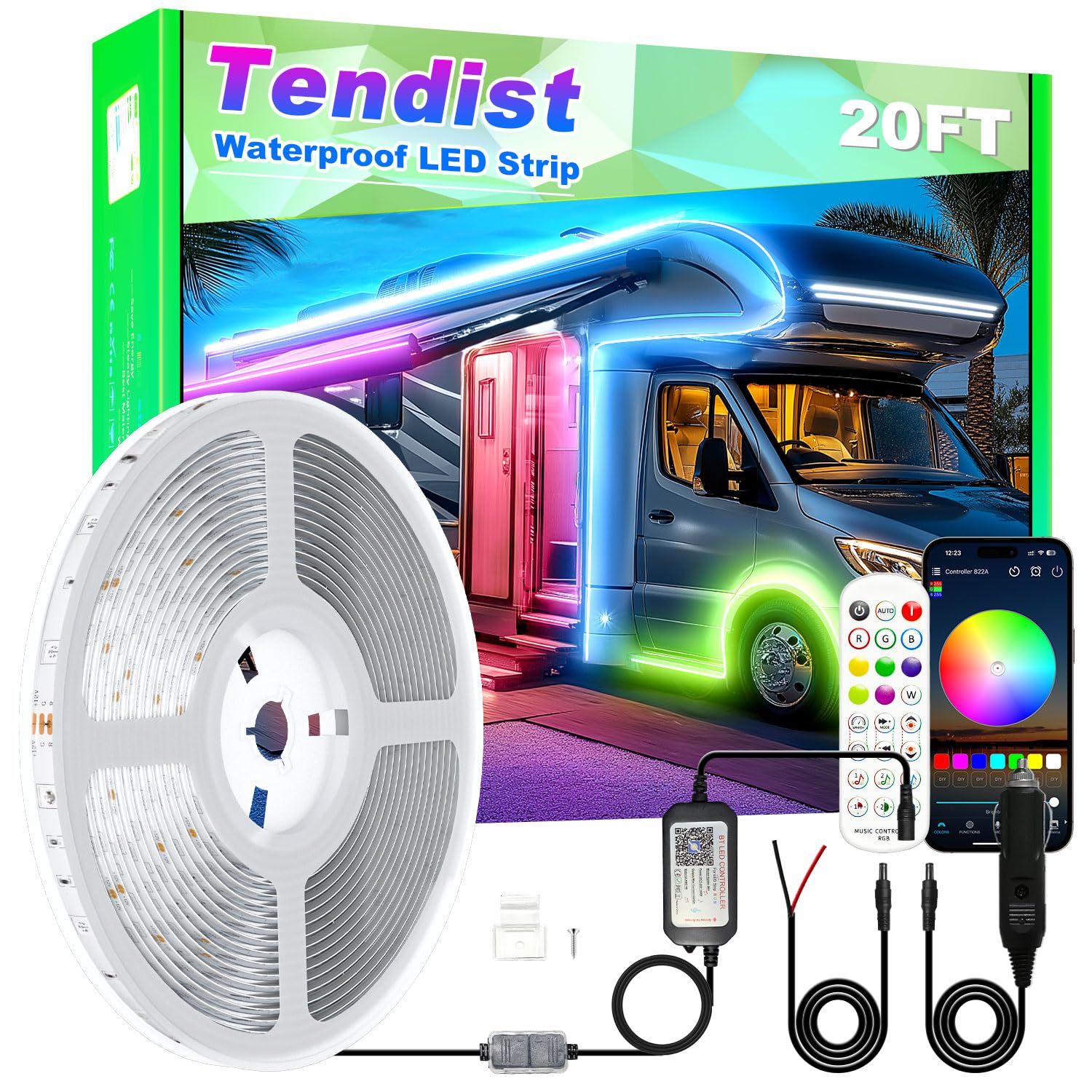 |
20FT RV Awning LED Light Strip, Camper Awning Lights Waterproof Underglow Led Light kit for RV Canopy Exterior, Travel Party, Van, Camper |
— | $26.29 | (21) | Check Price on Amazon → |
| #2 | 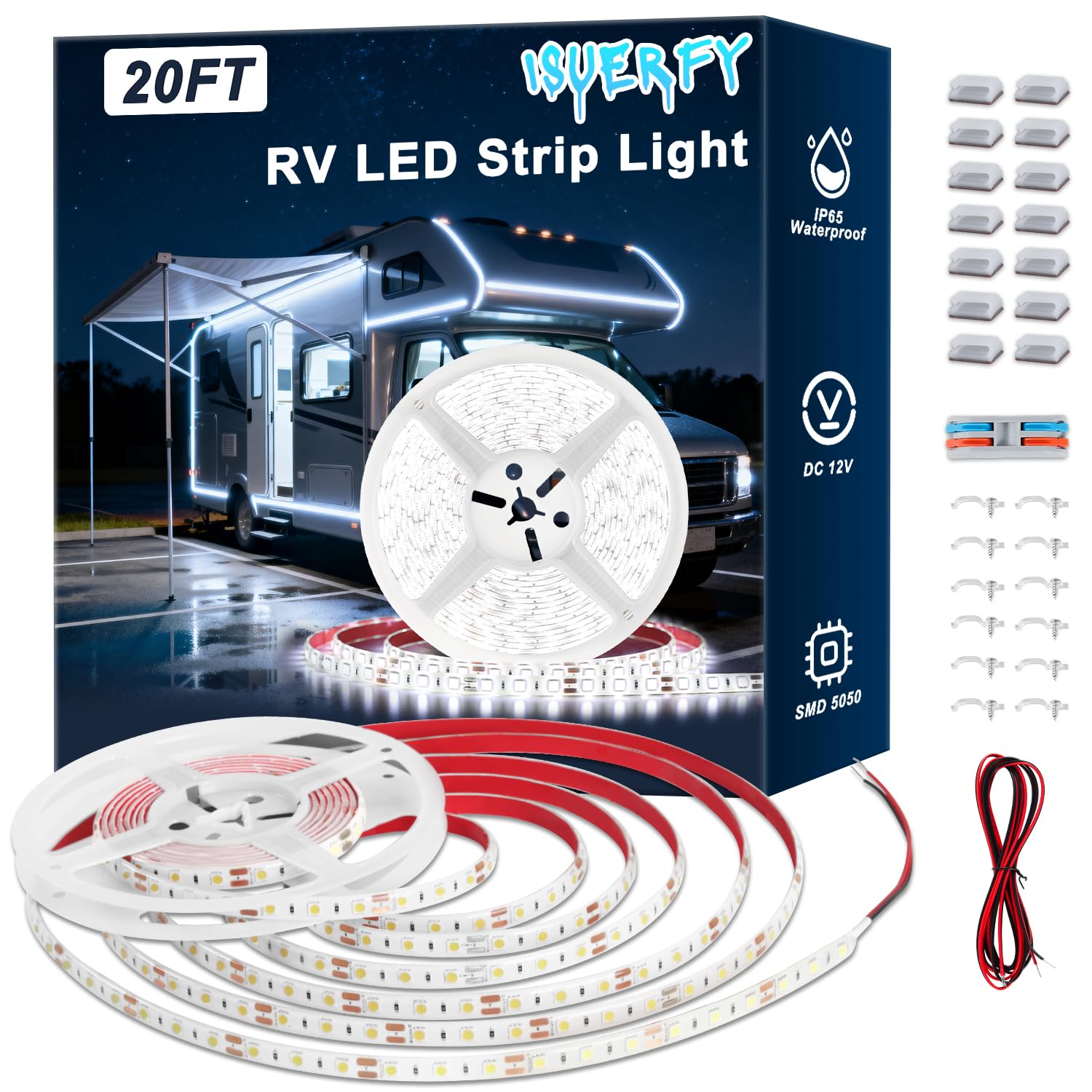 |
ISUERFY RV Awning LED Lights, 12V 20FT Camper Lights for Motorhome Travel Trailer Concession Stands Food Trucks, IP65 Waterproof RV Exterior Underglow Light, Daylight White |
— | $20.49 | (35) | Check Price on Amazon → |
| #3 |  |
RV Awning Lights, 12V 16.4FT White Camping Awning Lights, Motorhome Travel Trailer Food Trucks Van Waterproof Canopy Led Strip Lighting, RV Exterior Underglow Light |
— | $19.99 | (1,390) | Check Price on Amazon → |
| #4 |  |
RV Awning Led Lights,12V 20FT Camper Awning Lights for Camper Motorhome Travel Trailer Concession Stands Food Trucks, Waterproof RV Exterior Underglow Light Strip for Party BBQ |
— | $25.99 | (1,019) | Check Price on Amazon → |
Quick Comparison Table
Below is a practical comparison of the most common and useful RV awning light styles we recommend researching.
| Product Type | Best For | Power Source | Typical Length | Key Advantages | Possible Drawbacks |
|---|---|---|---|---|---|
| 12V LED RV Awning Light Strip | Permanent installation | RV 12V system | 10-20 ft | Clean look, low power draw, bright task lighting | More involved installation |
| Plug-In LED String Lights | Full-hookup campsites | 110V AC | 24-48 ft | Bright, easy to find, many styles | Requires shore power or inverter |
| Battery or USB String Lights | Weekend campers, flexible use | Battery pack or USB | 10-33 ft | Simple setup, portable, no hardwiring | Batteries need replacement or charging |
| Solar String Lights | Boondocking, low-power setups | Solar rechargeable | 20-40 ft | No RV power needed, easy seasonal use | Charging depends on sunlight |
| Amber/Yellow Bug-Reducing LED String Lights | Areas with heavy insects | AC, USB, or solar | 20-30 ft | More comfortable evenings outdoors | Usually less bright than cool white |
| Shatterproof Globe String Lights | Ambiance-focused setups | AC or solar | 24-48 ft | Stylish, cozy lighting effect | Bulkier to store |
| Rope Lights or Fairy Lights | Accent lighting | AC, USB, battery, or solar | 16-40 ft | Flexible, decorative, lightweight | Less useful for strong task lighting |
Why RV Awning Lights Matter
RV awning lights do a lot of work for a relatively small accessory. The best options help you:
- Light up entry steps and high-traffic areas
- Create a comfortable outdoor lounge space
- Improve visibility for cooking, grilling, and gear setup
- Add personality to your campsite without much power draw
- Make your RV easier to spot at night
For many RVers, awning lighting becomes part safety upgrade, part comfort upgrade, and part campsite décor.
Our Top RV Awning Light Recommendations by Category
Rather than focus on one exact model that may change in availability, we recommend shopping by proven product category and feature set. That approach helps RV owners choose more confidently based on campsite habits, rig size, and power setup.
1. Best Overall: 12V LED RV Awning Light Strip
A dedicated 12V LED awning strip is often the best all-around solution for RVers who want a clean, integrated setup. These strips can mount directly under the awning roller housing or along the RV sidewall, depending on the design.
Why we recommend it
- Runs directly from the RV's 12V electrical system
- Very efficient for extended evening use
- Produces even, usable light across the patio area
- Often includes weatherproof coatings and adhesive backing
- Many versions support dimming or remote control
Pros
- Excellent brightness for cooking and outdoor living
- Low battery drain compared with older lighting types
- More polished and permanent than hanging strands
- Great for frequent campers
Cons
- Installation can require wiring knowledge
- Less decorative than globe-style string lights
- Adhesive-only mounting may fail in extreme heat unless reinforced
Best for
RVers who camp often and want a long-term lighting upgrade with minimal setup each trip.
2. Best for Ambiance: Shatterproof Globe String Lights
If your priority is a cozy outdoor room feel, globe string lights are hard to beat. Look for shatterproof bulbs, commercial-grade cord construction, and weather-resistant sockets.
Why we recommend it
- Creates a patio-like atmosphere under the awning
- Available in warm white tones that feel inviting, not harsh
- Shatterproof bulbs are much better suited to RV travel than glass
- Easy to hang with clips, hooks, or awning rail accessories
Pros
- Attractive and campsite-friendly appearance
- Good balance of style and light output
- Many lengths and bulb spacings available
- Easy to replace individual bulbs on some sets
Cons
- Usually larger and bulkier to store
- Often needs shore power or an inverter
- Can swing in windy conditions if not secured well
Best for
Campers who want the best visual atmosphere for entertaining, relaxing, or seasonal site living.
3. Best for Boondocking: Solar RV String Lights
Solar string lights are a smart fit for dry campers who want decorative lighting without tapping into the RV battery bank. The best versions use efficient LEDs, have a removable or adjustable solar panel, and offer multiple lighting modes.
Why we recommend it
- No hardwiring or outlet needed
- Great for quick setup at dispersed campsites
- Keeps your electrical load low
- Often lightweight and easy to store
Pros
- Energy independent once charged
- Beginner-friendly setup
- Useful for awnings, picnic tables, and screen rooms
- Good backup lighting option
Cons
- Performance depends heavily on sun exposure
- Shorter runtime in cloudy weather or winter conditions
- Usually less bright than plug-in or 12V systems
Best for
Boondockers, casual weekend campers, and anyone who wants a simple lighting option with no wiring.
4. Best Budget Pick: Battery or USB-Powered String Lights
For RVers who want flexibility and low upfront cost, battery or USB string lights are one of the easiest starting points. They can be powered by a battery pack, power bank, USB port, or portable power station.
Why we recommend it
- Inexpensive and widely available
- Easy to try without modifying the RV
- Can be used inside or outside the rig
- Great for smaller trailers and teardrops
Pros
- Very portable
- Fast setup and takedown
- Good for renters or owners avoiding permanent installs
- Can pair well with power banks for short trips
Cons
- Not ideal for high brightness needs
- Battery packs can be inconvenient over longer stays
- Some low-cost options have weaker weather sealing
Best for
Budget-conscious campers, occasional RVers, and small-rig owners.
5. Best for Bug Control Comfort: Amber LED String Lights
In buggy campgrounds, standard bright white lighting can attract more insects than many campers want to deal with. Amber or yellow-toned LED strings can help create a more comfortable patio area.
Why we recommend it
- Softer spectrum is often less attractive to bugs than cool white light
- More relaxing on the eyes at night
- Useful around outdoor dining and seating areas
Pros
- Better comfort in mosquito-heavy regions
- Warm, mellow campsite look
- Often available in solar, plug-in, and battery versions
Cons
- Reduced task-light brightness compared with white LEDs
- Color may not appeal to every camper
- Sometimes harder to find in premium build quality
Best for
Campers in humid climates, lakeside campgrounds, and summer bug season.
6. Best Decorative Accent Option: Rope Lights or Fairy Lights
Rope lights and fairy lights work best as accent layers rather than primary awning illumination. They are ideal if you want to outline the awning edge, add soft glow around the patio mat, or decorate a screen room.
Why we recommend it
- Extremely lightweight and easy to shape
- Fun for holiday camping, tailgating, or themed setups
- Often available in waterproof, remote-controlled designs
Pros
- Compact storage
- Very versatile placement options
- Low power use
- Good supplement to brighter main lights
Cons
- Usually not bright enough for cooking or step lighting alone
- Some styles are more decorative than durable
- Thin wires can tangle during storage
Best for
Campers who want layered lighting and a more personalized campsite design.
What to Look for in the Best RV Awning Lights
Not every string light works well on an RV. Here are the features we think matter most.
Brightness and Light Color
Brightness affects how usable your outdoor area feels. For task lighting, brighter white LEDs are helpful near the grill, steps, and storage access points. For relaxation, warm white or amber light is usually more pleasant.
Look for:
- Warm white for ambiance
- Cool or neutral white for visibility and cooking
- Dimmable options for flexibility
- Amber tones for bug-prone areas
Power Source
Your camping style should drive this decision.
12V lights
Best for frequent RV use and low power draw from the house battery system.
110V plug-in lights
Best for full-hookup sites or RVers already using an inverter.
Solar lights
Best for light-duty decorative use and boondocking convenience.
Battery or USB lights
Best for portability and short trips.
Waterproof Rating and Outdoor Durability
Awning lights need to handle rain, dust, heat, and road vibration. We recommend checking for:
- Weather-resistant or waterproof construction
- Sealed LED housings
- UV-resistant wiring or coating
- Shatterproof bulbs if using globe strings
- Strong mounting clips or reinforced adhesive
Length and Coverage
Measure your awning before buying. A 16-foot awning does not always need a full 16-foot light strand, but you want enough coverage to define the outdoor area without creating dark gaps.
As a general rule:
- Small trailers may need 10-20 feet
- Mid-size RVs often work well with 20-30 feet
- Larger fifth wheels and motorhomes may benefit from 30+ feet or layered lighting
Storage and Travel Friendliness
Some decorative strings look great but are annoying to pack. If you move often, prioritize:
- Tangle-resistant cord design
- Shatterproof materials
- Compact reels or storage bags
- Quick-release clips or hooks
Mounting Method
Common RV-friendly mounting methods include:
- Adhesive-backed strips
- Screw-mounted channels
- Gutter or awning clips
- Suction hooks for temporary placement
- Velcro straps or zip ties for selective use
We generally recommend avoiding anything that can damage the awning fabric or interfere with retracting the awning.
How to Choose the Right RV Awning Lights for Your Camping Style
Full-Hookup Campers
If you usually stay in developed RV parks, plug-in globe lights or a permanent 12V LED strip are often the strongest choices. You can prioritize brightness, style, and convenience.
Boondockers
If battery conservation matters, choose efficient 12V strips, amber low-draw LED strings, or solar lighting for decorative use.
Weekend Campers
USB or battery-powered lights can be enough if you only need a few evenings of use and want easy setup.
Seasonal or Long-Term Site RVers
Shatterproof commercial-style string lights often make the most sense for comfort, appearance, and durability over longer stays.
How to Install RV Awning Lights
Installation varies by product type, but the process below covers the most common string-light and strip-light setups.
Step-by-Step Installation
Measure your awning and patio area.
Measure the usable awning length and decide whether you want edge lighting, full-width coverage, or accent-only placement.Choose the power source.
Confirm whether you'll use 12V, 110V shore power, solar, USB, or battery power. Plan cord routing before mounting anything.Clean the mounting surface.
Wipe down the RV wall, awning hardware, or attachment points with a surface-safe cleaner. Adhesive products stick much better to clean, dry surfaces.Dry-fit the lights first.
Hold the strand or strip in place before permanent attachment. Check that the awning can still extend and retract without pinching the lights.Attach using RV-safe hardware.
Use clips, channels, adhesive mounts, or approved fasteners based on the light type. Avoid puncturing awning fabric.Secure loose cord sections.
Use cable clips, Velcro ties, or weather-resistant straps to prevent sagging and wind movement.Connect power and test the lights.
Verify brightness, switch operation, dimming, and any remote functions.Check clearance during awning movement.
Extend and retract the awning slowly to make sure nothing rubs, catches, or pulls.Weatherproof exposed connections if needed.
If your setup has plug joints or adapters, use outdoor-rated covers where appropriate.
Safety Notes
- Never route cords where they create a trip hazard near entry steps.
- Do not overload extension cords, converters, or power strips.
- Use only outdoor-rated lights and accessories outside the RV.
- Keep connectors off wet ground when possible.
- If hardwiring 12V lights, disconnect power before installation.
- If you're unsure about electrical work, consult a qualified RV technician.
Common Mistakes to Avoid
Choosing Indoor-Only String Lights
Indoor decorative lights often fail quickly outdoors. RV awning lighting needs weather resistance and travel durability.
Buying Too Much Brightness
Overly harsh lighting can ruin the cozy feel of your campsite and bother neighboring campers. Dimmable warm LEDs are often the best compromise.
Ignoring Wind Movement
Loose globe strands can swing, slap the RV wall, or tangle in the awning arms. Secure lights at multiple points.
Forgetting Storage Needs
Large decorative bulb strings may look great, but if you move campsites often, they can become a hassle. Match your choice to your travel rhythm.
Poor Power Planning
A beautiful string-light setup is less useful if it drains batteries too quickly or requires hookups you don't usually have.
Our Final Buying Advice
If we were advising most RV owners on the simplest path to success, we'd break it down this way:
- Choose a 12V LED awning strip for the best permanent, practical everyday setup.
- Choose shatterproof globe string lights for the best campsite ambiance.
- Choose solar or USB string lights for the easiest portable option.
- Choose amber LED strings if bugs are a major issue.
- Use rope or fairy lights as accent lighting, not your only light source.
The best RV awning lights are the ones that fit how you actually camp. Brightness, power source, weather resistance, and ease of setup matter more than flashy extras.
FAQ
What are the best RV awning lights string options for most campers?
For most campers, the best options are either a 12V LED awning strip for practical, built-in lighting or shatterproof warm white string lights for ambiance. The right choice depends on whether you prioritize convenience, brightness, or decorative appeal.
Are solar string lights bright enough for RV awnings?
Solar string lights are usually bright enough for ambiance and light patio use, but they are often not ideal as your only source of task lighting. If you cook outside or want strong step visibility, pair them with a brighter 12V or plug-in light.
Do RV awning lights attract bugs?
Bright cool white lights can attract more insects than warmer options. Amber or yellow-toned LED lights are often a better choice in buggy campgrounds.
Can I leave awning lights attached when I retract the awning?
Some permanently installed LED strips are designed to stay in place, but many hanging string lights should be removed before travel or awning retraction. Always check the product instructions and test clearance carefully.
What length of string lights do I need for my RV awning?
Measure your awning first. Many RVers choose a strand close to the awning length or slightly shorter, then add accent lighting elsewhere if needed. For larger setups, multiple shorter strands can be easier to manage than one very long string.
Get your free Get Our Free Full-Timer's Gear Guide
The no-fluff gear list trusted by full-time RVers — tested in real conditions across North America.
Conclusion
A well-lit awning area makes RV life more comfortable, safer, and more enjoyable. Whether you want a clean 12V strip, a cozy globe-light patio feel, or a low-power solar setup for boondocking, there are excellent options for nearly every travel style.
When choosing the best RV awning lights string solution, we recommend focusing on outdoor durability, the right power source, manageable storage, and lighting that matches the way you camp. Get those basics right, and your RV patio can feel like a true outdoor living room wherever you park.