How to Clean and Sanitize Your RV Fresh Water Tank Properly

Salem Hassan founded Travelcamp RV and brings 30+ years of hands-on RV, marine, and powersports retail experience to every review.
✎ Reviewed by Salem Hassan — Founder, Travelcamp RV · 30+ years in RV, marine, and powersports retail
Why trust us
RVGearInsider articles are researched by the Searchshop Editorial team with a full-timer's lens — evaluating gear for year-round use, not weekend trips. We assess every recommendation against the demands of full-time living: sustained power draw, weight budget, water system integration, and long-term durability. We may earn a commission on qualifying purchases; it does not change what we recommend.
🛠 What you'll need
-
 Check Price on Amazon →STAR BRITE Aqua Water Tank & System Flush - Deep Cleans & Deodorizes Fresh Water Tanks & Entire Drinking Water System - Ideal for Boats & RVs Coming Out of Storage 1 GAL (032300)$35.98★★★★★ (1,031)
 -
 Check Price on Amazon →The Easiest way to HELP YOU disinfect your RV Fresh Water Tank, NO MESS, NO MOVING PART, just connect with the Hose and add Bleach$33.99★★★★☆ (455)
 -
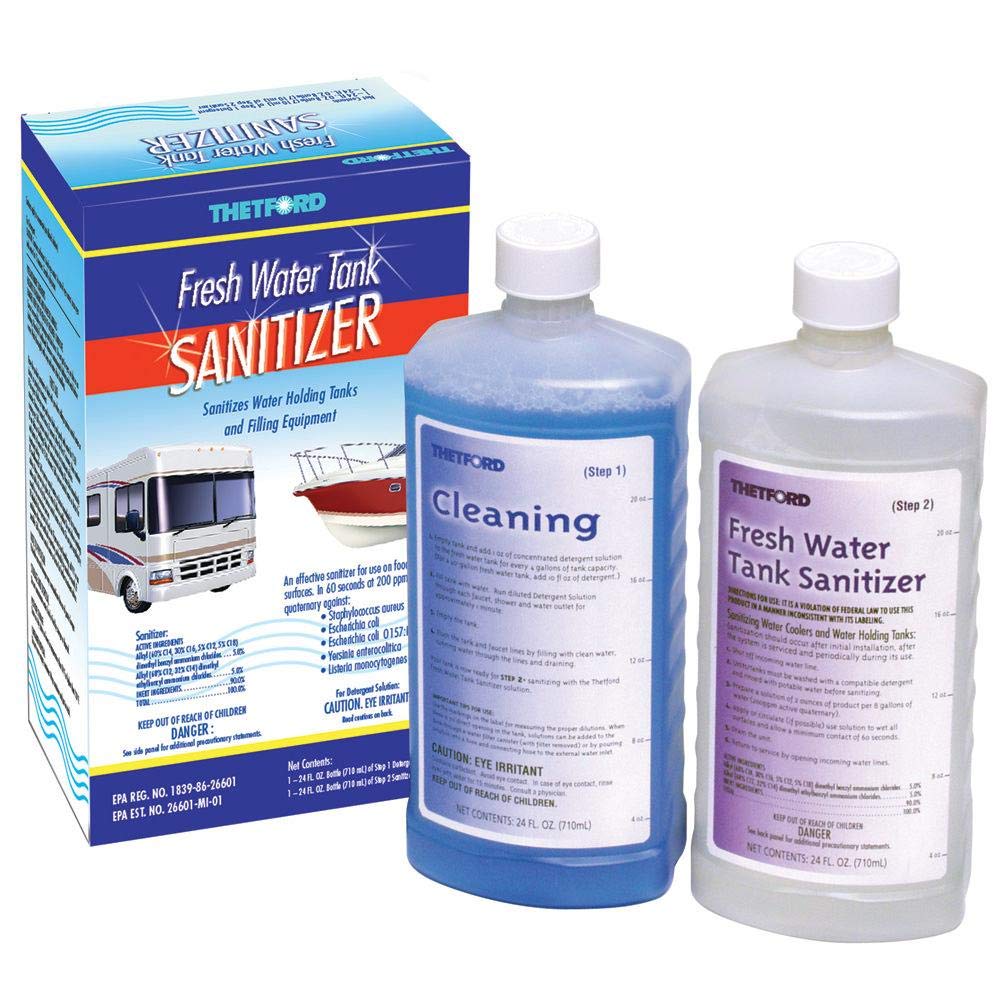 Check Price on Amazon →Thetford Fresh Water Tank Sanitizer Detergent and Treatment, 2 x 24 oz Bottles - 36662$26.83★★★★★ (650)
 -
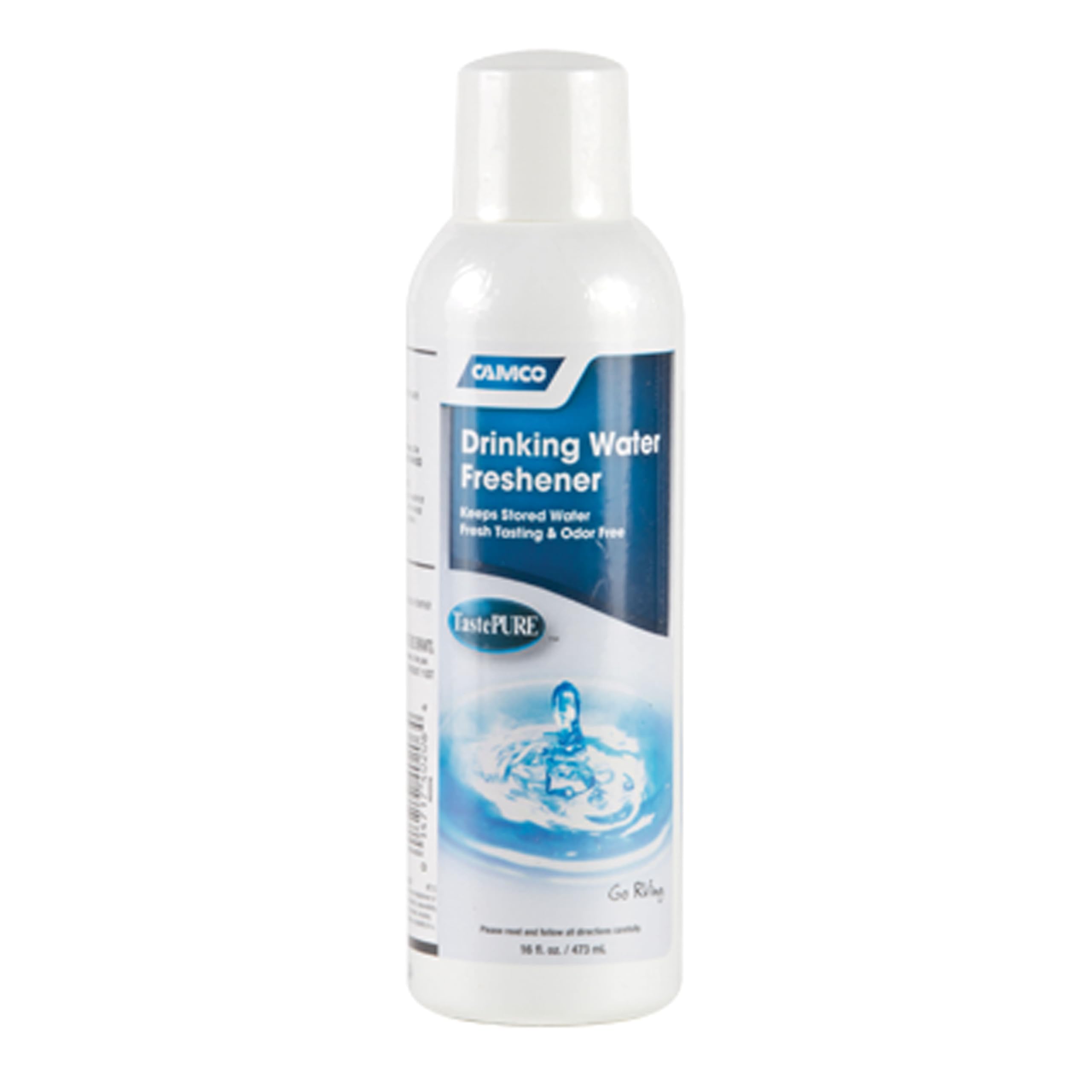 Check Price on Amazon →Camco TastePURE Drinking Water Freshener - Prevents Algae and Slime Build Up in Your Drinking Water Tank, Rids Odors and Bad Tastes 16 oz (40206)$6.38★★★★★ (2,598)
How to Clean and Sanitize Your RV Fresh Water Tank Properly
If you are wondering how to clean sanitize rv water tank systems safely and effectively, the good news is that the process is straightforward when you use the right supplies and follow a proven routine. A neglected fresh water tank can lead to bad odors, unpleasant taste, slime buildup, and unwanted bacteria in your RV plumbing. We researched the best methods, products, and maintenance practices so you can sanitize your tank with confidence and keep your water system in better shape year-round.
Comparison Table

| Product | Best For | Key Features | Pros | Cons |
|---|---|---|---|---|
| Unscented Household Bleach | Budget-friendly sanitizing | Widely available, effective disinfectant | Inexpensive, proven method, easy to find | Strong odor, requires careful measuring, can damage filters if misused |
| Camco TastePURE Spring Fresh Cleaner & Deodorizer | RV owners who want an RV-specific formula | Designed for RV and marine water systems | Easy to use, made for potable systems, helps with odor | Costs more than bleach, may still require flushing |
| Star brite Aqua Water Tank & System Flush |
Deep cleaning and odor control | Tank and line cleaning support | Good for stale water smell, RV/marine friendly | Availability can vary, may not replace full sanitizing in severe cases |
| Camco Drinking Water Hose | Preventing recontamination | Lead-free, BPA-free potable hose | Safer filling, reduces contamination risk, RV staple | Not a sanitizer, needs proper storage |
| Clearsource or Inline RV Water Filter | Improving taste after sanitizing | Reduces sediment and taste issues | Better drinking water quality, useful for frequent travelers | Filters need replacement, not a substitute for sanitizing |
1. Unscented Household Bleach
This is the classic approach and still one of the most practical options for RV owners.
Pros
- Very affordable
- Easy to find almost anywhere
- Effective when properly diluted
Cons
- Easy to overuse
- Requires careful flushing
- Not as convenient as pre-formulated RV products
2. Camco TastePURE Spring Fresh Cleaner & Deodorizer
This is a popular RV-specific cleaner for fresh water systems. We recommend it for owners who prefer a product labeled specifically for RV and marine use.
Pros
- Purpose-built for RV water systems
- Convenient dosing
- Good reputation for odor control
Cons
- More expensive than bleach
- May not be stocked in every local store
3. Star brite Aqua Water Tank & System Flush
This product is often used to freshen and clean tanks and lines, especially after storage.
Pros
- Helpful for stale smells
- RV and marine compatible
- User-friendly application
Cons
- Can cost more than basic bleach sanitizing
- Best used as part of a broader maintenance routine
4. Camco Drinking Water Hose
A clean tank can still be contaminated by a poor-quality hose. We recommend using a dedicated drinking water hose for every fill.
Pros
- Safer for potable water
- Widely available in RV lengths
- Helps maintain water quality after sanitizing
Cons
- Must be stored properly to stay clean
- Does not address contamination already inside the tank
5. Inline RV Water Filter
A good inline filter can improve taste and reduce sediment, especially when filling from campground hookups.
Pros
- Improves taste and clarity
- Helps reduce sediment entering the tank
- Easy upgrade for most RVs
Cons
- Needs regular replacement
- Cannot kill bacteria already growing in the tank
Key Takeaways
- Sanitize your RV fresh water tank at least every 6 months, or more often if the RV sits in storage.
- Use unscented household bleach or a dedicated RV tank sanitizer approved for potable water systems.
- Run the sanitizing solution through all faucets, showerheads, and water lines.
- Let the solution sit long enough to disinfect the tank and plumbing thoroughly.
- Flush the system completely until chlorine odor is gone.
- Replace old hoses, filters, or cracked fittings if odors or contamination persist.
Why Cleaning and Sanitizing Your RV Fresh Water Tank Matters

Your RV fresh water tank is designed to hold potable water, but that does not mean it stays clean on its own. Warm temperatures, long storage periods, mineral deposits, and stagnant water can all create conditions where bacteria and biofilm start to develop.
When that happens, you may notice:
- Musty or sulfur-like odors
- Bad-tasting water
- Cloudy water from faucets
- Slime or sediment in screens and strainers
- Reduced confidence in using onboard water for cooking, washing, or brushing teeth
Regular sanitizing helps protect your health and can also extend the life of your RV plumbing system.
When to Sanitize an RV Water Tank
We recommend sanitizing your RV fresh water tank in these situations:
- At the beginning of camping season
- After winter storage
- After buying a used RV
- If the RV has been unused for a month or longer
- If you filled from an unknown or questionable water source
- Any time you notice odor, taste, or discoloration issues
What You Will Need
Before you begin, gather your supplies:
- Unscented household bleach or RV-specific sanitizer
- Clean potable water hose
- Measuring cup
- Funnel if needed
- Basic hand tools for opening low-point drains if applicable
- Water filter replacement, if your current filter is old
- Rubber gloves
Safety Notes Before You Start
- Never mix bleach with ammonia or other cleaners.
- Use only unscented plain household bleach if using the bleach method.
- Remove or bypass inline carbon filters before sanitizing, since bleach can damage them and used filters may hold odor.
- Work in a ventilated area and avoid splashing sanitizer on clothing.
- Check your RV owner's manual for tank capacity and any manufacturer-specific guidance.
How to Clean and Sanitize Your RV Fresh Water Tank
Step 1: Turn Off Water Heater and Water Pump
Start by turning off the water heater and water pump. If the water heater has been running, let it cool down first.
Safety note: Never drain or service a hot water heater while it is under pressure or still hot.
Step 2: Drain the Fresh Water System Completely
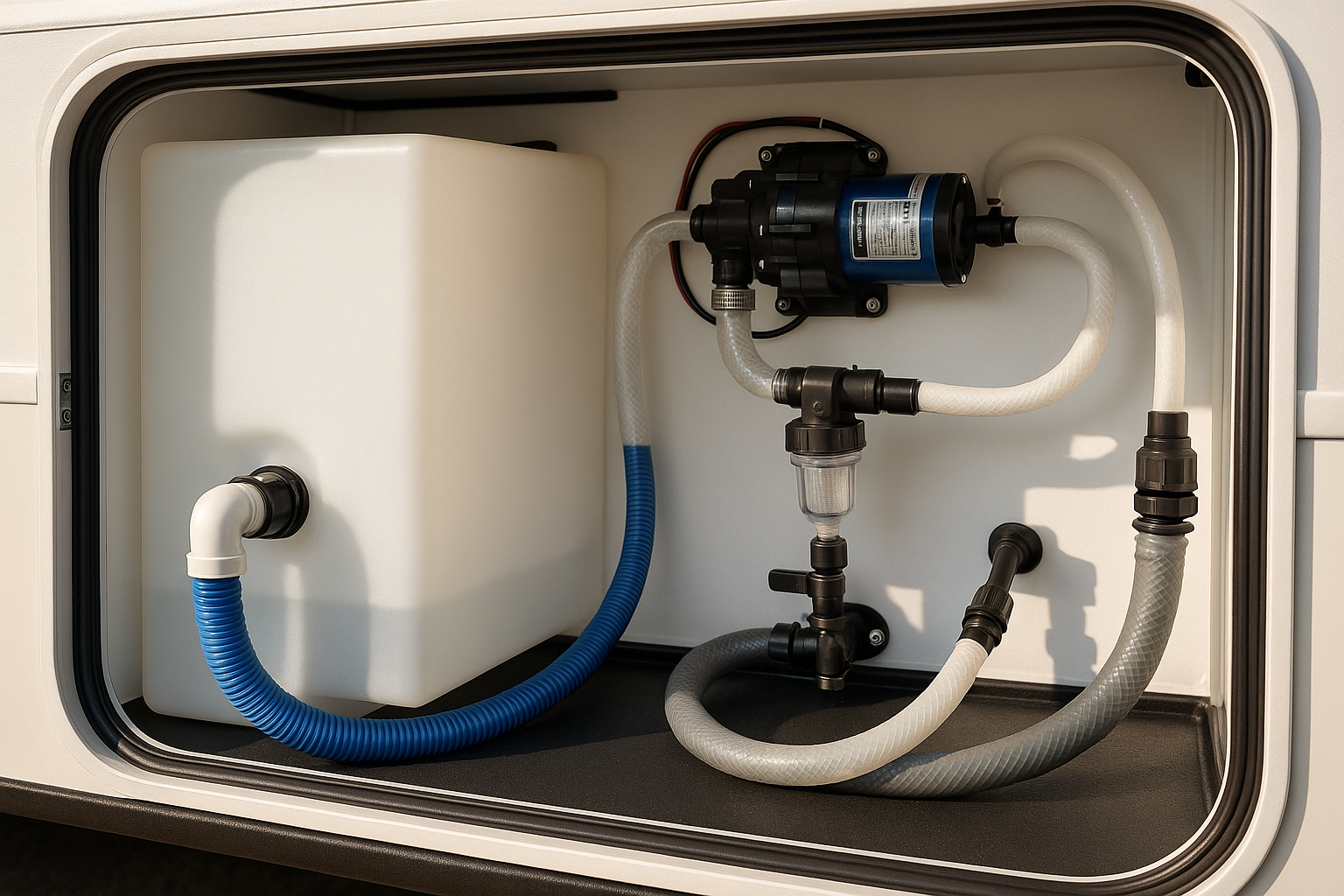
Drain the fresh water tank, open the low-point drains, and empty the water heater if your manufacturer recommends including it in the sanitizing process. Open all faucets to help the system empty more fully.
This step removes old water, loose sediment, and any stale buildup before sanitizing.
Step 3: Calculate the Right Sanitizing Solution
A common RV method is to use 1/4 cup of unscented bleach for every 15 gallons of tank capacity mixed with water before adding it to the tank.
Examples:
- 30-gallon tank: 1/2 cup bleach
- 45-gallon tank: 3/4 cup bleach
- 60-gallon tank: 1 cup bleach
Dilute the bleach in a gallon or two of water first. Do not pour concentrated bleach directly into the tank if you can avoid it.
Step 4: Add the Solution to the Fresh Water Tank
Pour the diluted sanitizing solution into the fresh water tank using a funnel or winterizing inlet if your RV has one. Then fill the tank the rest of the way with potable water.
Step 5: Run the Solution Through Every Water Line
Turn on the water pump and open each faucet one at a time, including:
- Kitchen cold water
- Kitchen hot water
- Bathroom sink cold water
- Bathroom sink hot water
- Shower cold water
- Shower hot water
- Outdoor shower if equipped
- Toilet sprayer or other water outlets
Let each run until you smell bleach. This confirms the sanitizing solution has reached the full plumbing system.
Step 6: Let It Sit
Let the solution remain in the tank and plumbing for at least 4 hours, though many RV owners prefer leaving it overnight for a more thorough sanitizing cycle.
If your system has strong odor or has been sitting for a long time, the overnight approach is often the better choice.
Step 7: Drain the System Again
Drain the fresh water tank, open all faucets, and empty the low-point drains again. This removes the sanitizing solution from the tank and lines.
Step 8: Refill With Fresh Water and Flush Thoroughly
Refill the tank with clean potable water and run all faucets until the chlorine smell fades. You may need to repeat this flush once or twice depending on tank size and how much bleach was used.
Step 9: Reinstall or Replace Water Filters
If you removed an inline or canister filter, reinstall it only after the bleach smell is gone. If the filter is old, replace it now. An old filter can reintroduce taste and odor issues.
Step 10: Check Water Quality Before Use
Smell and inspect the water from each faucet. It should look clear and smell neutral or only faintly chlorinated. If odor, slime, or discoloration remains, repeat the process and inspect hoses, filters, and the fill inlet for contamination.
Common Mistakes to Avoid
Using Too Much Bleach
More is not better. Excess bleach can leave a lingering taste, dry out seals over time, and require multiple flushes.
Forgetting the Water Lines
Sanitizing only the tank is not enough. Bacteria can remain in faucets, showerheads, and plumbing lines.
Leaving Old Water in Storage
If your RV will sit unused, do not leave partially filled stagnant water in the tank for long periods.
Ignoring the Hose
A dirty drinking water hose can contaminate a freshly sanitized tank. Store your potable hose separately and keep the ends capped.
Buyers Guide: Helpful Products for Cleaning and Sanitizing an RV Water Tank
Below are common product types we researched that can make the job easier and more reliable.
Maintenance Tips to Keep the Tank Cleaner Longer
Use Only Potable Water Sources
Fill from trusted campground hookups, home potable spigots, or other known safe supplies.
Keep the Fill Port Clean
Wipe down the gravity fill area and cap regularly. Dirt around the opening can drop into the tank during refills.
Sanitize Hoses and Accessories
Your hose, pressure regulator, and filter connections should be kept clean and dry between trips.
Don’t Let Water Sit Too Long
If the RV will be parked for weeks, drain the tank or refresh the water before your next trip.
Replace Aging Components
Cracked hoses, worn seals, and old filters often contribute to recurring odor or taste issues.
FAQ
1. How often should we sanitize an RV fresh water tank?
For most RV owners, every 6 months is a good baseline. If the RV sits in storage, is used heavily, or is filled from mixed water sources, sanitize more often.
2. Can we use vinegar instead of bleach?
Vinegar can help with mineral deposits and mild odors, but it is not generally considered a full replacement for proper disinfection when sanitizing a potable water system.
3. Is it safe to drink water from the RV tank after sanitizing?
Yes, once the system has been flushed thoroughly and any strong chlorine odor is gone, the water should be ready for normal use if the source water is potable.
4. Should we sanitize the water heater too?
In many RV systems, the sanitizing solution is run through both hot and cold lines, which includes the water heater plumbing path. Always check your owner's manual for the correct procedure.
5. Why does my water still smell bad after sanitizing?
If odor remains, inspect the hose, filter, fill port, anode rod, drains, and faucet aerators. You may also need a second sanitizing cycle if the system was heavily neglected.
Get your free Get Our Free Full-Timer's Gear Guide
The no-fluff gear list trusted by full-time RVers — tested in real conditions across North America.
Final Thoughts
Learning how to clean sanitize rv water tank systems properly is one of the most important parts of RV maintenance. The process does not take specialized tools, but it does require the right sanitizer, the correct dilution, and enough time for the solution to move through the entire plumbing system.
We researched the most practical methods and products, and our recommendation for most RV owners is simple: start with a full drain, use the correct amount of unscented bleach or an RV-specific sanitizer, let it sit long enough, and flush thoroughly. Pair that routine with a potable water hose and a fresh filter, and your RV water system will be far easier to trust on the road.