
Best RV Leveling Systems: Auto vs Manual (2026)
 By Salem Hassan — Co-Founder, Searchshop · 30+ years in RV & marine dealerships· June 22, 2025· 11 min read· Updated 1d ago
Salem Hassan has spent more than 30 years building and operating dealerships across the RV, marine, and powersports industries. He founded Suncoast RV in 1994 and later owned Travelcamp RV in Jacksonville for a decade…
Why trust us
RVGearInsider articles are researched by the Searchshop Editorial team using manufacturer specs, independent expert sources, and owner feedback. Our goal is simple: when an RVer searches for gear, the recommendations they read online should match what a knowledgeable dealer or experienced owner would actually suggest. We may earn a commission on qualifying affiliate purchases; it doesn't influence what we recommend — if a product changes or a better option comes along, the article changes too.
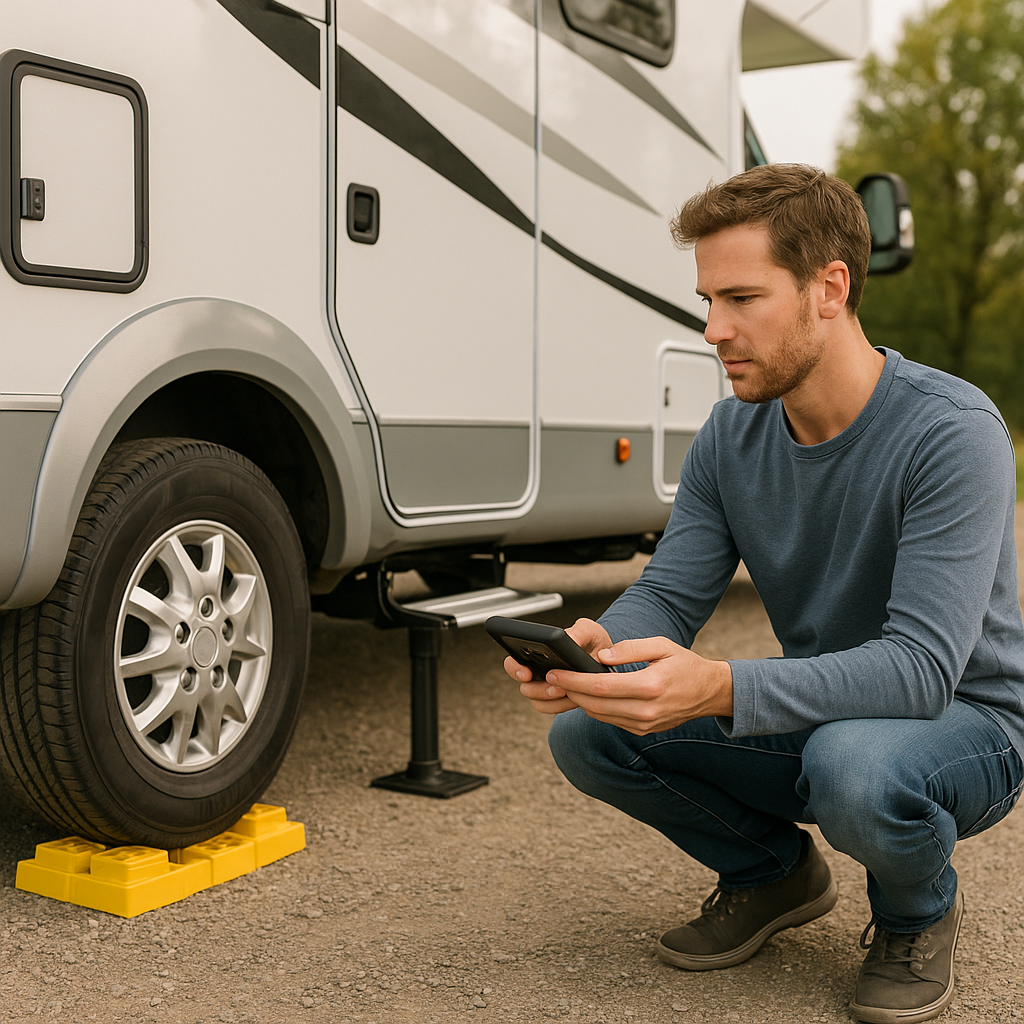
A bad campsite can turn a great trip into a refrigerator-killing, sleep-ruining mess in minutes. We’ve leveled travel trailers on sloped gravel, fifth wheels on soft pads, and motorhomes on uneven state-park sites, and one thing is clear: the right RV leveling system is one of the best upgrades you can make.
In this guide, we’re comparing automatic vs manual RV leveling systems and ranking the best options we’d actually recommend in 2026. We’re focusing on real-world usability, lifting capacity, installation complexity, durability, and value—not brochure hype. If you want the short version, our top overall recommendation is the Lippert Ground Control 3.0 Automatic 5th Wheel Leveling System for RVers who want true push-button convenience. But not everyone needs or wants a full auto system, so we’ve included strong manual and budget-friendly picks too.
Our Top Picks at a Glance

| Rank | Product | Type | Best For | Capacity / Key Spec | Approx. Price |
|---|---|---|---|---|---|
| #1 | Lippert Ground Control 3.0 4-Point Automatic Leveling System | Automatic electric | 5th wheel owners wanting the best balance of speed and value | 4-point auto leveling, wireless remote/app support on some kits | $4,500-$5,800 installed |
| #2 | Equalizer Systems 4-Point Automatic Hydraulic Leveling System | Automatic hydraulic | Class A/Class C motorhomes needing maximum stability | Hydraulic jacks, touchpad control, high lifting force | $6,000-$9,000 installed |
| #3 | Bigfoot Hydraulic Leveling System by Quadra Mfg. | Automatic hydraulic | Premium motorhome owners in rough terrain | Heavy-duty cylinders, all-steel construction | $7,500-$10,000 installed |
| #4 | Andersen Camper Leveler Kit | Manual ramp leveler | Travel trailers and tandem-axle campers | Levels up to 4 inches, curved ramp design | $45-$60 |
| #5 | Camco FasTen RV Leveling Blocks (10-Pack) | Manual stack blocks | Budget buyers and occasional campers | Interlocking blocks, lightweight polymer | $30-$45 |
The Quick Verdict: Auto vs Manual
If you move often, have a larger RV, camp on uneven sites, or simply hate setup drama, automatic leveling is worth it. It’s faster, more precise, and much easier on your back and patience. For big fifth wheels and motorhomes, we think auto systems are no longer a luxury—they’re a practical upgrade.
If you camp a few weekends a year, tow a lighter travel trailer, or want the cheapest reliable solution, manual leveling still makes sense. A good set of ramp levelers or stack blocks can get you level for a fraction of the cost, but they take more time and more trial-and-error.
Our overall winner is the Lippert Ground Control 3.0 because it delivers the most meaningful upgrade for the broadest group of RV owners: fast setup, dependable operation, and much better campsite stability than manual methods.
Best RV Leveling Systems Ranked

1. Lippert Ground Control 3.0 4-Point Automatic Leveling System
Best overall RV leveling system
If we were outfitting a modern fifth wheel for frequent travel, this is the system we’d choose first. The Lippert Ground Control 3.0 is one of the most common automatic leveling systems in the towable market for a reason: it’s fast, intuitive, and substantially less stressful than manual chocking-and-blocking routines.
Most Ground Control 3.0 kits use electric jacks with an automatic control module that can level the coach at the push of a button. Lippert claims setup in just a few minutes, and in our experience that’s realistic on reasonably stable sites. It also improves front-to-back and side-to-side consistency compared with manual blocks.
Key specs
- Designed primarily for fifth wheels
- 4-point automatic leveling
- Electric jack operation
- Touchpad control; some versions include wireless remote/app functionality
- Auto-hitch memory on certain configurations
What we like
- True push-button leveling
- Faster setup and teardown than manual systems
- Widely supported by RV dealers and service centers
- Excellent fit for full-timers and frequent movers
- Better campsite stability than basic landing gear setups
What we don’t
- Expensive compared with manual options
- Installation is not a casual DIY job for most owners
- Electric systems can be slower than hydraulic under heavy load
Bottom line: For fifth wheel owners, this is our clear #1 recommendation. It hits the sweet spot between premium convenience and real-world value.
2. Equalizer Systems 4-Point Automatic Hydraulic Leveling System
Best automatic hydraulic system for motorhomes
Equalizer Systems has a strong reputation in the motorized RV segment, and their 4-point automatic hydraulic leveling systems are among the most capable options for Class A and many Class C rigs. If your RV is heavy, long, and prone to rocking, hydraulic leveling is the gold standard.
Compared with electric auto systems, hydraulic jacks generally offer more lifting force and faster response, especially on larger coaches. Equalizer’s systems use a central hydraulic pump, steel jacks, and an in-coach touchpad that makes operation simple.
Key specs
- Typically configured for Class A and Class C motorhomes
- Hydraulic jack system
- Automatic and manual override functions
- Touchpad control
- Custom-fit installations depending on chassis
What we like
- Strong lifting performance for heavier motorhomes
- Excellent stability once deployed
- Faster and more authoritative leveling than many electric systems
- Good service reputation in the RV industry
What we don’t
- High installed cost
- Added system complexity and maintenance compared with blocks
- Usually vehicle-specific, so shopping and installation take more planning
Bottom line: If you own a motorhome and want a serious auto leveling upgrade, Equalizer is one of the smartest buys on the market.
3. Bigfoot Hydraulic Leveling System by Quadra Manufacturing
Best premium leveling system
Bigfoot is the heavy-hitter in this category. The Bigfoot hydraulic leveling system is known for rugged construction, substantial lifting power, and a loyal following among owners who spend real time off the interstate. It’s expensive, but it’s built like equipment, not an accessory.
One thing we appreciate about Bigfoot is the emphasis on all-steel, heavy-duty components and a system architecture that inspires confidence on larger coaches. In rougher terrain or less-than-perfect campsite conditions, the system feels extremely planted.
Key specs
- Hydraulic leveling for motorhomes and selected towables depending on application
- Heavy-duty steel jack assemblies
- Automatic controls with manual functions
- Professional installation strongly recommended
What we like
- Outstanding build quality
- Excellent stability on challenging sites
- Premium reputation for long-term durability
- Great fit for high-end Class A owners
What we don’t
- One of the most expensive systems in the category
- Overkill for many casual RVers
- Dealer/install access may be more limited than Lippert
Bottom line: If budget is secondary to ruggedness and confidence, Bigfoot is a top-tier premium choice.
4. Andersen Camper Leveler Kit
Best manual leveling system for travel trailers
For towable RV owners who don’t need a full auto system, the Andersen Camper Leveler Kit is still one of the smartest manual leveling products we’ve used. It’s simple: instead of stacking blocks and repeatedly pulling forward or backing up, you drive one wheel onto the curved leveler until the trailer is level, then chock it with the matching wedge.
It’s especially effective on tandem-axle travel trailers, where old-school block stacking can be annoying and imprecise. Andersen rates the leveler for trailers up to 30,000 pounds gross trailer weight, and it can provide up to about 4 inches of lift.
Key specs
- Curved ramp-style manual leveler
- Up to 4 inches of leveling height
- Rated for trailers up to 30,000 lbs GTW
- Includes leveler and chock components in most kits
What we like
- Much faster than stack blocks for many trailers
- Lightweight and easy to store
- Very good precision for side-to-side leveling
- Excellent value for frequent towable users
What we don’t
- Not a full-system solution for front-to-back leveling
- Can be less ideal on loose gravel or slick surfaces
- Not the best choice for every tire/wheel clearance setup
Bottom line: For travel trailer owners, this is our favorite manual option by a mile.
5. Camco FasTen RV Leveling Blocks (10-Pack)
Best budget leveling option
The Camco FasTen RV Leveling Blocks are the classic answer for RVers who want a cheap, flexible, proven manual setup. They’re not glamorous, but they work. These interlocking yellow blocks can be stacked under tires, tongue jacks, stabilizer feet, and other contact points as needed.
For occasional campers or smaller trailers, they remain a practical solution. We’ve used them on everything from utility-style campers to mid-size travel trailers, and while they’re slower than Andersen-style ramps, they’re versatile and easy to replace.
Key specs
- 10-block interlocking set
- Polymer construction
- Compatible with single wheels, tandem wheels, stabilizers, and tongue jacks
- Carrying handle included on many retail packs
What we like
- Very affordable
- Easy to find anywhere RV gear is sold
- Flexible enough for multiple leveling tasks
- Lightweight and simple to clean
What we don’t
- Slower and more tedious than ramp levelers
- Less precise without repeated adjustments
- Can sink on soft ground without pads
Bottom line: If budget matters most, Camco blocks still earn a spot in the storage bay.
Side-by-Side Analysis: Which System Is Actually Best?
Here’s the honest breakdown after comparing these systems by use case.
Best for fifth wheels
Winner: Lippert Ground Control 3.0
It offers the best combination of convenience, stability, and support network. If you tow often, it transforms setup from a chore into a button press.
Best for motorhomes
Winner: Equalizer Systems 4-Point Hydraulic
For heavier Class A and Class C rigs, we prefer hydraulic force over electric convenience. Equalizer gives motorhome owners the strongest all-around balance of performance and serviceability.
Best premium option
Winner: Bigfoot Hydraulic
If you want the heaviest-duty setup and don’t mind paying for it, Bigfoot is the premium benchmark.
Best manual option
Winner: Andersen Camper Leveler Kit
It’s dramatically easier to use than old-school blocks for side-to-side leveling on many travel trailers.
Best budget option
Winner: Camco FasTen Blocks
Not fancy, but inexpensive, versatile, and proven.
Our #1 Recommendation
If you’re asking us for one product to buy based on overall usefulness and owner satisfaction, our pick is the Lippert Ground Control 3.0 4-Point Automatic Leveling System.
Why? Because it solves the biggest real-world leveling problems better than anything else for the average serious RVer. It cuts setup time, reduces frustration, improves stability, and removes a lot of the guesswork from arriving at camp. Yes, it’s expensive. But if you own a fifth wheel and travel regularly, it’s one of those upgrades that pays you back every single stop.
How to Choose the Right RV Leveling System
Before you buy, here’s what we recommend evaluating.
1. Match the system to your RV type
- Fifth wheel: Lippert Ground Control 3.0 is the obvious front-runner.
- Class A/Class C motorhome: Look hard at Equalizer or Bigfoot hydraulic systems.
- Travel trailer: Andersen or Camco manual options are usually the best value.
2. Be honest about how often you move
If you relocate every few days, automatic leveling makes much more sense. If you camp five weekends a year, manual gear may be all you need.
3. Consider terrain and campsite quality
Frequent boondockers and state-park campers see more uneven sites than resort campers. Rougher terrain increases the value of a robust system.
4. Budget for installation, not just the parts
This is where many buyers get surprised. Automatic systems often cost thousands more installed than the headline kit price suggests.
5. Think about maintenance and service access
Hydraulic systems are powerful, but they’re more complex. Lippert has broad dealer support; boutique systems may require more planning.
How We Level an RV Safely: independently evaluated Process
Whether you use an automatic or manual system, this is the process we follow.
Materials list
- Wheel chocks
- Bubble level or app-based level indicator
- Leveling blocks or ramp levelers if using a manual setup
- Jack pads for soft ground
- Gloves
- Flashlight for late arrivals
Numbered steps
- Inspect the site first. Before pulling in fully, we get out and check slope, soft spots, holes, and obstacles.
- Choose the flattest orientation possible. Don’t ask your leveling system to fix a terrible parking choice.
- Chock the wheels. We do this before major adjustments whenever practical, especially on trailers.
- Check side-to-side level first. On towables, this usually comes before unhitching.
- Use levelers or blocks as needed. For manual setups, we drive onto Andersen levelers or stack Camco blocks carefully.
- Re-check level. Small corrections are easier than big ones.
- Unhitch or place transmission/parking brake in secure position. Follow your RV manufacturer’s parking procedure.
- Deploy the auto leveling system or front/rear adjustments. Let the system finish its cycle without interruption unless there’s a problem.
- Confirm stability. We walk inside, check bounce, and verify doors and fridge operation.
- Add pads under jacks if needed. This helps on hot asphalt, gravel, or soft dirt.
Pro tips
- Use jack pads under hydraulic feet to reduce sinking and improve stability.
- Don’t over-lift one side manually when a better parking angle would solve the issue.
- Mark your preferred hitch height if your auto system has memory or repeatable setup points.
- Keep blocks clean and dry so they don’t become slick or crack prematurely.
Safety callouts
Safety: Never crawl under an RV supported only by a leveling system.
Safety: Leveling jacks are not always designed for tire service or full vehicle support during maintenance—check the manufacturer guidance.
Safety: Keep feet, hands, kids, and pets clear while jacks are deploying.
Safety: On soft ground, always use appropriate pads to prevent jack sinking or instability.
Is Automatic Leveling Worth the Money?
For many RVers, yes. We’ve found that the value of automatic leveling isn’t just speed—it’s repeatability. You arrive tired, the site is crooked, it’s getting dark, and instead of stacking blocks three times and arguing with your spotter, you hit a button. That matters.
That said, we don’t think every owner should spend thousands here. If you tow a modest travel trailer a handful of times each season, the Andersen Camper Leveler Kit gives you most of the practical benefit you need at a tiny fraction of the cost.
Final Verdict
The best RV leveling system depends on your rig, your travel style, and your tolerance for setup hassle. But after comparing automatic and manual options, we think the pecking order is clear.
- For fifth wheels, buy the Lippert Ground Control 3.0.
- For motorhomes, choose Equalizer Systems hydraulic leveling unless you want the ultra-premium Bigfoot route.
- For travel trailers on a budget, get the Andersen Camper Leveler Kit.
- For the cheapest workable solution, Camco FasTen blocks still do the job.
If we had to name one overall winner for 2026, it’s the Lippert Ground Control 3.0. It’s the leveling upgrade that most meaningfully improves day-to-day RV life.
FAQ
1. What is the best RV leveling system in 2026?
Our top pick is the Lippert Ground Control 3.0 for fifth wheels because it offers fast automatic leveling, strong support, and excellent real-world convenience. For motorhomes, we prefer Equalizer Systems hydraulic leveling.
2. Is automatic RV leveling better than manual leveling?
Yes, for frequent travelers and larger RVs. Automatic leveling is faster, easier, and usually more stable. Manual leveling is still a good choice for smaller trailers and tighter budgets.
3. How much does an automatic RV leveling system cost?
Most automatic systems cost roughly $4,500 to $10,000 installed, depending on RV type, system design, and labor. Manual options like Andersen levelers or Camco blocks typically cost $30 to $60.
4. Can we install an RV auto leveling system ourselves?
In some cases, experienced DIY owners can handle parts of the installation, but we generally recommend professional installation for hydraulic or integrated electric auto systems. The wiring, mounting, calibration, and safety implications are significant.
Top Picks & Comparison
| # | Product | Price | Rating | ||
|---|---|---|---|---|---|
| #1 |  |
Beech Lane Wireless RV Leveling System, Made in the USA, User-Friendly Phone App With Real-Time Precise Leveling Measurements, Advanced Wireless Camper Leveler, Included AA Batteries, Patented |
$99.99 | (1,790) | View on Amazon |
| #2 |  |
RVMATE 12 Pack RV Leveling Blocks, Heavy Duty Camper Leveling Blocks, Levelers for RVs, Reduce Trailer Movement, Trailer Leveling Blocks,RV Leveling System Great for Single and Dual Wheels |
$32.87 | (1,296) | View on Amazon |
| #3 |  |
2Packs RV Leveling Blocks System Kit Camper Leveling Blocks for RVS Trailer with Carrying Bag, Anti-Slip Mats, T Bubble Level Up to 35000 LBS Blue |
$28.99 | (236) | View on Amazon |
| #4 |  |
Lippert Ground Control 3.0 4-Point Automatic 5th Wheel RV Leveling System with 15,500-lb. Total Lift Capacity, Wireless Remote, Hall Effect Technology, Auto-Hitch Memory - 358590 |
— | (43) | View on Amazon |